
Blog

  • Safeguarding training for international schools

    Rethinking Safeguarding Training Through the International Schools Forum Lens

    Let’s be honest: for too many educators, safeguarding training conjures images of clicking through identical slides in a silent staffroom, ticking a compliance box before getting back to the “real” work of teaching. It often feels isolated, generic, and disconnected from the complex reality of our classrooms. But shift that same training into the dynamic, cross-cultural dialogue of a live international schools forum, and the entire experience transforms. Suddenly, you aren’t just passively absorbing a script; you are leaning into a difficult conversation with a DSL from a school on another continent who just navigated a crisis you might face tomorrow. That is the shift we champion at BMI workshops—moving safeguarding from a solitary administrative task to a collective, living professional practice.

    The Unique Vulnerability Gap in International Settings

    Generic UK-based training materials, while essential for establishing a foundation, often fall short when exported directly to international contexts. They rarely account for the unique ecosystem of an expatriate community, where the traditional safety nets of extended family and long-term community oversight are frequently absent. Our education networking sessions consistently highlight that international school staff operate with a specific set of blind spots, demanding a more nuanced conversation than a standard online module can provide. We align our discussions closely with the International Task Force on Child Protection (ITFCP) standards, which emphasise the need for contextualised, robust safeguarding frameworks that go beyond domestic assumptions.

    When ‘Local Norms’ Clash with Statutory Duty

    One of the most heated discussions we facilitate in any international schools forum revolves around the friction between respecting local cultural practices and fulfilling our statutory duty under Keeping Children Safe in Education (KCSIE) 2024. A behaviour dismissed as a harmless cultural tradition by some may constitute a clear safeguarding violation under British statutory guidance. Our workshops don’t offer easy answers, but they provide a safe space to explore how a Designated Safeguarding Lead (DSL) can navigate this minefield—holding the line on child protection without inadvertently damaging the school’s relationship with its host community. We explore practical scripts and diplomatic approaches that maintain the integrity of the KCSIE baseline while operating with cultural intelligence.

    Transience, Third-Culture Kids, and Trust

    The high turnover rate in international schools isn’t just an HR headache; it is a profound safeguarding challenge. Third-culture kids (TCKs) often experience repeated cycles of forming attachments and grieving losses as friends and trusted adults move on. This transience creates a vulnerability gap where a child might feel that forming trusting relationships with adults is futile. In a transient environment, a predator can also exploit the chaos of constant arrivals and departures. Through our BMI workshops, we examine how to build a safeguarding culture that offers stability when everything else feels temporary, ensuring that a child’s file doesn’t just record grades but captures the subtle pastoral context that a new teacher desperately needs to know on day one.

    Why We Advocate for the Forum Model Over Standard Insets

    Standard inset training typically delivers information in a vacuum. You watch a video, you read a scenario, and you answer a multiple-choice question. But real safeguarding doesn’t happen in a vacuum; it happens in a crowded corridor, on a school bus, or in a hushed boarding house. The sheer diversity of an international schools forum exposes our staff to peer-driven problem-solving that static online modules simply cannot replicate. When a DSL from a British school in Kuala Lumpur shares how they handled a complex parental referral, and a colleague in Milan counters with a different legal constraint, the learning is exponential. We believe this cross-pollination of lived experience is the gold standard of professional development.

    The Power of Cross-School Disclosure Scenarios

    There is a unique electricity in a BMI workshop when we break into cross-school groups to tackle a live disclosure scenario. You aren’t role-playing with the colleague you eat lunch with every day; you are sitting next to a stranger from a different curriculum and a different school culture, calibrating your response together. We have witnessed profound “lightbulb” moments where a teacher realises that their school’s internal threshold for referral is dangerously high compared to the sector norm. These exercises build a personal network of trusted contacts outside one’s immediate employment hierarchy—a lifeline for a DSL who might later need an impartial sounding board during a crisis that cannot be discussed internally.

    Moving from Compliance Anxiety to Confident Intervention

    Too often, staff are paralysed by the fear of getting it wrong. They worry about destroying a career with a false allegation or damaging the school’s reputation. This compliance anxiety leads to hesitation, and hesitation can leave a child in harm’s way. Our forum model directly tackles this by demystifying the referral process. We move the conversation away from “protecting the school” to “protecting the child,” empowering staff to intervene confidently because they understand the robust, fair system behind the paperwork. We replace the fear of the Disclosure and Barring Service (DBS) process with a clear understanding of its purpose—and its limitations when operating overseas, where local police checks vary wildly in reliability.

    Navigating the Grey Areas: Peer-on-Peer Abuse and Digital Safety

    Without fail, the most requested topic in our education networking sessions is the murky world of peer-on-peer abuse and digital safety. This is the frontier of safeguarding, where the lines between bullying, criminal behaviour, and normal adolescent experimentation blur. The rise of encrypted apps like WhatsApp and Snapchat means that a significant portion of student social life is invisible to adult eyes, yet the fallout—the anxiety, the exclusion, the shaming—explodes in our classrooms. We focus heavily on how an international schools forum can create a unified front against these hidden harms, sharing strategies that acknowledge the digital reality without resorting to naive, blanket bans that students easily circumvent.

    Sexting, Shame, and Cross-Border Legal Headaches

    Handling a sexting incident in an international setting is a legal and pastoral labyrinth. You might have a 14-year-old in a consensual relationship with a 15-year-old, but the images on their phone technically constitute child sexual abuse material. Now, consider that the phone was bought in one country, the image sent across a border via a server in California, and the families involved hold different passports. The legal ambiguity is terrifying. Our BMI workshops bring in legal experts and experienced DSLs to dissect these cases, focusing on the shaming culture that prevents victims from seeking help and the practical steps to manage a cross-border incident without causing further trauma.

    Restorative Justice vs. Disciplinary Action

    When a child harms another child, the instinct to punish is strong, especially when parents demand it. But a purely punitive approach often drives the behaviour underground and fails to educate. We use our international schools forum to debate the delicate balance between restorative justice and disciplinary action. We share case studies where a mediated conversation between the harmed and the harmer, handled expertly, led to genuine behavioural change, and contrast them with situations where a firm disciplinary line was necessary to signal safety. There is no one-size-fits-all answer, but the collective wisdom of the network helps DSLs calibrate a response that is proportionate, educational, and centred on the well-being of both parties.

    Cultural Competency: The Missing Layer in KCSIE Compliance

    We hold Keeping Children Safe in Education (KCSIE) 2024 in high regard; it is the non-negotiable foundation of our work. However, we firmly argue that it is a baseline, not the ceiling. In a British international school, a DSL is not just following statutory guidance; they might also be negotiating with local tribal leaders, navigating Sharia law components, or liaising with an embassy official who holds diplomatic immunity for a student’s family. This requires a layer of cultural competency that KCSIE does not—and cannot—provide. Our workshops help translate the spirit of British statutory guidance into contexts far removed from the Home Office corridors where it was written.

    Translating ‘British Values’ Without Imperial Overtones

    The requirement to promote “British Values” of democracy, tolerance, and individual liberty can sound jingoistic or even neo-colonial if delivered poorly in an international setting. We coach school leaders on how to universalise these concepts. It is not about flying the Union Jack, but about fostering a school culture where a student can respectfully disagree with a teacher, where diverse faiths are genuinely understood, and where individual liberty is protected from coercion. We focus on translating the value of “mutual respect” into a lived curriculum that honours the host nation’s heritage while upholding universal human rights, a tightrope walk that demands sophisticated dialogue.

    Working with Local Police and Embassies

    A standard referral to children’s social care is often impossible in a country with no such infrastructure. Instead, a DSL might need to call a local police chief directly or wake up a consular official at 3 a.m. These relationships must be built before the crisis hits. Our education networking events often feature role-plays on how to forge these critical links. We discuss the limitations of a Disclosure and Barring Service (DBS) check in this context—it confirms a clean record in the UK, but it tells you nothing about a person’s history in their home country. This is why we push schools to utilise robust international screening services and, crucially, to share intelligence through trusted networks like The Council of British International Schools (COBIS).

    Designing a ‘Living’ Safeguarding Culture via Education Networking

    A policy document sitting on a shared drive is a dead document. A living culture breathes, adapts, and listens. Through our recent education networking events, we have moved beyond theory to share tangible, practical takeaways that are being trialled right now. We have seen exciting developments in British international schools in Dubai and Singapore, where leaders are experimenting with structural changes that democratise safeguarding, moving it from a top-down enforcement model to a community-owned responsibility. These trials provide a blueprint for what a truly embedded safeguarding culture looks like.

    Auditing Your Current Culture: The ‘Heard Not Just Seen’ Metric

    We challenge our member schools to stop measuring safeguarding success by the number of completed training certificates and start measuring it by the “heard not just seen” metric. Do students feel that their quiet disclosures are truly heard, or are they just seen as a policy checkbox? We advocate for deep-dive audits where student voice is the primary data source. This involves anonymous surveys that ask not just “do you feel safe?” but “is there an adult you would tell a terrible secret to?” The answers are often sobering, but they provide a clear roadmap for cultural change, highlighting the gaps between the school’s perception of itself and the student’s lived reality.

    Empowering the Silent Middle: Engaging Non-Teaching Staff

    In the hierarchy of a school, the administrative assistants, bus drivers, and facilities staff are often the silent middle—invisible yet incredibly influential. A child might never disclose abuse to a teacher, but they might drop a hint to the kind lady who administers first aid or the bus monitor who knows their stop. Our BMI workshops push for the radical inclusion of non-teaching staff in safeguarding forums. We share training models that are linguistically accessible and culturally relevant for this diverse group, empowering them to recognise that their observation of a parent’s aggressive body language in the car park is just as valuable a piece of the safeguarding puzzle as a formal classroom disclosure.

    The Future of International Safeguarding: Regulation and Solidarity

    The landscape of international education is drifting towards tighter regulation, and safeguarding is at the centre of this shift. The British Schools Overseas (BSO) inspection framework is becoming increasingly rigorous, raising the bar for what constitutes an ‘Outstanding’ safeguarding provision. We view this not as a bureaucratic burden, but as a welcome alignment of standards. However, we also believe that a unified international schools forum has a vital role to play in shaping this future, acting as a collective voice to lobby for the support structures that make high-quality safeguarding sustainable, rather than merely aspirational.

    BSO Inspections and the ‘Outstanding’ Safeguarding Bar

    The latest British Schools Overseas (BSO) inspection standards demand evidence of a deeply embedded culture, not just a tidy folder. Inspectors are now highly skilled at detecting a performative safeguarding culture within minutes. They interview students, they observe the interactions of non-teaching staff, and they assess whether the school’s record-keeping reflects analytical oversight or just administrative filing. We prepare our schools for this by running mock inspections and sharing the unvarnished feedback from schools that have recently been through the process. We know that to be ‘Outstanding’, a school must demonstrate that its safeguarding leadership is curious, self-critical, and relentlessly focused on improvement.

    Preventing DSL Burnout: A Collective Responsibility

    We cannot ignore the human cost of this work. The vicarious trauma absorbed by DSLs is immense, and the isolation of an international posting can make it unbearable. We see DSL burnout as a systemic safeguarding failure. If a DSL burns out, the entire school’s safety net is compromised. Our international schools forum is increasingly focused on solidarity as a protective factor. We facilitate confidential DSL support circles, advocate for mandatory clinical supervision budgets within school financial planning, and normalise the idea that seeking psychological support is a sign of professional strength, not weakness. A healthy DSL is the single most important asset in a school’s safeguarding architecture.

    Safeguarding is not a static policy in a dusty ring binder; it is a living, breathing, and occasionally uncomfortable conversation. It is sustained not by annual online certificates, but by the continuous, honest, and collaborative dialogue found in dedicated forums and workshops. By connecting the isolated DSL in Nairobi with a peer in Bangkok, we weave a safety net that spans the globe, ensuring that no professional carries the weight of a child’s disclosure alone. That network is the true definition of a safeguarding culture.

    Frequently Asked Questions

    What makes an international schools forum different from a standard safeguarding course?

    Unlike a standard online course that delivers static information, an international schools forum provides live, peer-driven dialogue. It moves beyond generic UK-centric scenarios to address the unique cultural and legal complexities of the expatriate context, allowing DSLs and teachers to share real-world solutions from diverse settings like the Middle East and Southeast Asia.

    How do BMI workshops address the limitations of DBS checks overseas?

    We openly acknowledge that a Disclosure and Barring Service (DBS) check only provides a history within the UK. Our workshops focus on building a robust, multi-layered vetting process that includes international police checks, rigorous reference verification across borders, and the importance of informal network intelligence sharing through bodies like COBIS to catch what a single certificate might miss.

    Is our school eligible if we are not yet accredited by COBIS or BSO?

    Absolutely. While we align our standards with the Council of British International Schools (COBIS) and the British Schools Overseas (BSO) inspection framework, our education networking events are designed for any international school committed to moving beyond minimum compliance. We help schools on the pathway to accreditation prepare for the rigorous safeguarding culture these bodies expect.

    How can we get non-teaching staff to engage meaningfully in safeguarding training?

    We advocate for moving away from text-heavy, English-centric training. Our forum model champions scenario-based discussions that are linguistically accessible and directly relevant to their roles—whether it’s a bus driver spotting bullying or a cleaner noticing a pattern of isolation. We empower them as key sensors of the school’s pastoral health, not just passive recipients of instructions.

    How do you handle the legal variations between different host countries?

    We don’t provide legal advice specific to one jurisdiction, but we create a structured space for schools to compare legal landscapes. By connecting a DSL in a country with a strong social care system with one operating where child protection laws are weak, we help them strategize how to uphold the KCSIE statutory duty while navigating local realities, often leveraging embassy contacts and international safeguarding frameworks.

  • Retention: why staff leave and stay

    The Real Reasons International School Staff Leave (and What Makes Them Stay)

    I still remember the moment Sarah handed in her notice. She wasn’t leaving for a bigger salary package in the Middle East or a coveted leadership post in Southeast Asia. She was leaving her British international school in Europe because, in her words, “Nobody here actually knows what I do, and frankly, nobody seems to care.” She was a brilliant Head of Humanities, the kind of teacher who stayed late to run debate clubs and mentored three NQTs through their induction without being asked. Her departure wasn’t a payroll problem. It was a belonging problem. And the uncomfortable truth is that her story has been repeating itself across our sector with alarming regularity.

    The Great Resignation Hit Our Sector Quietly

    When the corporate world started buzzing about the Great Resignation, many in British international education assumed we would be immune. After all, we offer competitive packages, often tax-free salaries, and the allure of life abroad. But the assumption was wrong. Behind the glossy prospectuses and impressive inspection reports, a quiet exodus has been unfolding. Our team started tracking this shift during our regular international schools forum discussions in late 2021, and the pattern was unmistakable: talented educators were not just switching schools; they were leaving the profession entirely or retreating to their home countries earlier than planned.

    The pandemic did not create these retention issues, but it certainly accelerated them. Lockdowns stripped away the adventure of expatriate life, leaving behind only the workload. For many, the social contract of international teaching—trading proximity to home for a rich professional and social community—suddenly felt broken. When the beaches and brunches disappeared, all that remained was a demanding job in a flat with no family support network. The psychological impact of that isolation is still rippling through our staffrooms today.

    Beyond the Salary: The Emotional Quit

    We have sat in countless exit interviews where the departing teacher mechanically nods through the salary discussion before their voice finally cracks when talking about the isolation they felt in their department. The emotional quit happens months before the resignation letter lands on the Head’s desk. It occurs on a Tuesday afternoon when a teacher realises no one has asked about their wellbeing in weeks, or when a middle leader feels their innovative curriculum idea was dismissed without discussion. These micro-moments accumulate, creating a debt that no recruitment bonus can repay.

    The COBIS Data We Can’t Ignore

    The anecdotal evidence is now backed by hard data. Recent surveys from COBIS (Council of British International Schools) and ISBA (Independent Schools’ Bursars Association) have highlighted significant churn rates across member schools, with pastoral staff and middle leaders flagged as particularly vulnerable cohorts. One COBIS report indicated that staff turnover in some regions has exceeded pre-pandemic averages by a concerning margin. This is not merely an HR headache; it is a strategic threat to institutional memory and the continuity of care that students depend upon. When a school loses three experienced Heads of Year in a single term, the pastoral fabric frays quickly.

    Why They Leave: The Three Frustration Triggers

    While compensation inevitably enters the conversation, our deep-dive sessions with school leaders reveal that money is rarely the primary driver of departure. Instead, three structural and cultural triggers consistently surface, each eroding the professional satisfaction that initially draws educators to British international schools.

    The Hidden Glass Ceiling for Local Staff

    One of the most uncomfortable conversations we facilitate at our education networking events centres on the disparity between expatriate and locally hired staff. In many British international schools, locally hired teachers—often highly qualified and bilingual—hit an invisible ceiling. They watch expatriate colleagues cycle through on two-year contracts, often into leadership roles, while their own pathways to Head of Department remain blocked by unspoken norms about who is deemed suitable for leadership. This glass ceiling does not just suppress individual careers; it robs schools of cultural continuity and sends a demoralising message to a significant portion of the workforce.

    When Inspection Frameworks Stifle Creativity

    There is a growing tension between the rigorous accountability of British inspection frameworks and the pedagogical freedom that drew many teachers abroad in the first place. We hear repeatedly that the rigid application of UK inspection standards, often layered with additional local compliance requirements, has squeezed the joy out of classroom teaching. Teachers who once experimented with cross-curricular projects now describe spending their Sundays colour-coding spreadsheets to prove progress. The framework intended to ensure quality can, when applied without contextual sensitivity, become a creativity crusher that drives the most innovative practitioners toward more flexible educational settings.

    Pastoral Care and the Unpaid Overtime Trap

    Pastoral care has always been the heart of British international schooling, but it has quietly become a retention trap. The expectations placed on form tutors, housemasters, and heads of year have expanded dramatically to encompass mental health first aid, family liaison across time zones, and digital safeguarding surveillance. None of this emotional labour appears on a timetable, and rarely is it compensated. The result is a cohort of deeply committed staff burning out in slow motion, their dedication exploited by a culture that confuses limitless care with professional obligation. When a Head of Sixth Form is answering parent WhatsApp messages at 10 p.m., that is not dedication; it is a structural failure.

    Why They Stay: Belonging Beats the Paycheck

    If frustration pushes people out, belonging pulls them back from the edge. In our analysis of schools with remarkably stable staffing, the common denominator is rarely the highest salary scale. It is the presence of a thick, genuine community that recognises adults as whole people, not just instructional delivery units.

    Professional Learning Communities Over Inset Days

    Schools that retain staff have largely abandoned the model of the one-off inset day filled with external consultants who vanish by 3 p.m. Instead, they have invested in ongoing Professional Learning Communities where teachers have genuine agency over their development. These are not token discussion groups but structured spaces where a Geography teacher can lead a session on questioning techniques for the Maths department. This horizontal collaboration builds the very cross-departmental relationships that make leaving feel like a significant personal loss, not just a career calculation.

    The ‘Third Space’ and Social Connection

    Sociologists talk about the “third space”—a social environment that is neither home nor the formal workplace. In thriving international schools, this third space is deliberately cultivated. It might be the staff padel tennis league that runs on Wednesday evenings, the book club that meets in a local café, or the simple architectural decision to put comfortable seating in the staff workroom rather than just rows of desks. Schools like Tanglin Trust School have long understood that retention is built in these informal moments where a new teacher from Manchester finds herself laughing with a colleague from Melbourne about the peculiarities of teaching the Tudors to children in Singapore. These connections tether staff to a place far more effectively than any contract clause.

    Redesigning Retention Through BMI Workshops

    At BMI, we design workshops that translate these retention insights into practical, immediately actionable strategies. We move beyond the tired HR rhetoric of “employee engagement” and into the granular, sometimes uncomfortable work of cultural diagnosis. Our sessions are built on the premise that retention is not a central office metric but a daily responsibility distributed across every team leader in the building.

    Mapping Belonging Indicators: A Practical Exercise

    One of the most powerful exercises we run involves middle leaders mapping the “belonging indicators” of their team members. We ask them to rate, honestly and confidentially, where each of their direct reports stands on a simple continuum: actively connected, quietly drifting, or silently disengaged. For the drifting and disengaged colleagues, leaders then identify one concrete intervention within the next ten working days—a genuine career conversation, a public acknowledgment of a recent success, or the removal of a bureaucratic irritant that is causing disproportionate frustration. This exercise often reveals that the person at highest risk of leaving is not the vocal complainer but the quiet, competent performer who has been taken for granted for two years.

    Middle Leaders as the Gatekeepers of Culture

    Heads of School set the vision, but middle leaders are the gatekeepers of daily culture. A toxic Head of Department can undo a year’s worth of whole-school wellbeing initiatives within a single term. Our BMI workshops dedicate significant time to equipping these middle leaders with the conversational skills to notice and address disengagement early. We practise the specific phrasing that turns a generic “How are you?” into a question that might actually surface a concern. The goal is to create a culture where a team member can say, “I’m struggling with the marking load,” without fearing it will be interpreted as incompetence. This psychological safety is the bedrock of retention.

    The Power of a Unified International Schools Forum

    Isolation is a retention killer, and it operates at both the individual and institutional level. A teacher struggling with a particular challenge in a British curriculum school in Madrid can feel uniquely incompetent, unaware that a peer at the British School of Brussels is navigating exactly the same issue. A dedicated international schools forum breaks this isolation by creating a confidential, professionally facilitated space for benchmarking and honest peer support.

    When staff from a school in Kuala Lumpur hear that their counterparts at a school like Tanglin Trust School are grappling with similar workload tensions or inspection pressures, the experience is profoundly validating. It reframes the frustration from “My school is failing me” to “Our sector has a challenge we need to solve together.” This reframing reduces the impulse to flee and channels the energy into collaborative problem-solving. The forum becomes a professional home that complements the physical school, providing a broader network that makes leaving one particular institution feel less like abandoning the entire sector.

    Moving From Exit Interviews to ‘Stay Interviews’

    The traditional exit interview is a post-mortem. It tells you why someone left, but only when it is too late to do anything about it. The strategic shift we advocate is toward the “stay interview”—a proactive, structured conversation with current staff designed to surface and solve retention risks in real time. This is not a performance review dressed up in new language; it is a fundamentally different conversation focused on the employee’s experience and aspirations.

    The Stay Interview Question Kit

    We recommend leaders start with a core set of questions that cut through politeness to genuine insight:

    • “What keeps you here on the tough days?”
    • “If you could change one thing about your daily work experience by next Monday, what would it be?”
    • “Tell me about a time recently when you felt proud of your work here—and a time when you felt your efforts were invisible.”
    • “What would make a Thursday feel as energising as a Monday morning?”
    • “Is there a skill or talent you have that we are currently not using?”

    These questions, asked in a spirit of genuine curiosity and followed by visible action, signal to staff that their interior experience matters. In a sector where the UK Department for Education’s ‘Golden Hello’ retention incentives for certain subjects back home can tempt staff to return, the emotional contract forged through such conversations can be the decisive counterweight.

    Turning Feedback Into Structural Change

    Collecting feedback without acting on it is worse than not asking at all; it breeds cynicism. When stay interviews consistently reveal that the school’s approach to marking and feedback is consuming evenings and weekends, the leadership must be prepared to pilot a different approach, even if it challenges orthodoxies. We have seen schools transform their retention trajectories by making one structural change—such as introducing shared planning time within the timetable—that directly addressed the pain point surfaced through stay interviews. The message sent by such action is powerful: we heard you, and we changed the system, not just the rhetoric.

    Conclusion

    Retention in British international schools will never be solved by a more generous flight allowance or a marginally better pension contribution. It is a daily commitment to psychological safety, genuine recognition, and the deliberate construction of community. It lives in the conversation a Head of Department has with a quietly struggling team member and in the cross-school connections forged through a trusted international schools forum. The schools that thrive in the coming decade will be those that treat retention not as a spreadsheet metric to be reported to governors, but as the sum of a thousand small moments of belonging. We invite you to join our next education networking event, where school leaders from across the globe gather to share what is actually working—and to build the collective wisdom that will keep our best people in the profession they love.

    FAQ

    What are the main reasons staff leave British international schools?

    Beyond salary considerations, the primary drivers include a lack of genuine community and belonging, limited career progression for locally hired staff, the erosion of teaching creativity by rigid inspection frameworks, and burnout from expanding pastoral care expectations that often constitute unpaid overtime.

    How can BMI workshops help improve staff retention?

    Our BMI workshops move beyond theoretical HR models to provide practical tools, such as mapping team belonging indicators and training middle leaders in proactive conversational skills. We focus on building the psychological safety and daily cultural practices that prevent disengagement before it leads to a resignation.

    What is a ‘stay interview’ and how does it differ from an exit interview?

    A stay interview is a proactive, structured conversation with current employees designed to understand what keeps them engaged and what might cause them to leave. Unlike an exit interview, which is a post-mortem after resignation, a stay interview happens while there is still time to address concerns and reinforce the factors that make staff feel valued.

    Why is an international schools forum valuable for retention?

    A dedicated international schools forum allows staff to benchmark their experiences against peers at other British international schools, validating their frustrations and reducing the sense of isolation. Knowing that challenges are sector-wide rather than unique to one institution helps retain talented educators who might otherwise leave the field entirely.

    What role do middle leaders play in staff retention?

    Middle leaders are the gatekeepers of daily workplace culture. They have the most direct influence on whether team members feel seen, valued, and supported. Equipping middle leaders with the skills to notice early signs of disengagement and have honest, supportive conversations is one of the most effective retention strategies a school can invest in.

  • Marketing an international school ethically

    How We Approach Marketing an International School Ethically

    I remember sitting in a rather plush boardroom in Surrey a few years back, watching a marketing director unveil a new prospectus. The paper stock must have cost a fortune, the drone shots of the campus were cinematic, and yet, not a single page mentioned the school’s approach to student anxiety or how they actually handle a homesick boarder on a rainy Tuesday night. It was a beautiful artifact, but it was entirely hollow. Our team left that meeting with a heavy feeling, knowing that glossy paper had been prioritised over genuine pastoral transparency. We firmly believe that ethics and enrolment are not mutually exclusive. In fact, in our tight-knit global village of international education, moral clarity is the only viable long-term enrolment strategy.

    Why the ‘Hard Sell’ Fails in Our International Community

    The international circuit is paradoxically vast yet incredibly small. Aggressive recruitment tactics don’t just fail; they actively corrode a school’s standing. When you’re marketing to globally mobile families, you aren’t just selling a curriculum; you’re asking for trust in a foreign country. We’ve observed that the transactional, high-pressure approach common in some commercial sectors backfires spectacularly here because the decision-making process is deeply emotional and rooted in a fear of getting it wrong.

    The Reputation Risk in a Tight-Knit Circuit

    News travels at fibre-optic speed within expatriate bubbles. If a school gains a reputation for treating parents like walking chequebooks, that narrative sticks. We regularly hear anecdotes during education networking events where heads of school share horror stories about competitors who over-promised on university placements or misrepresented boarding facilities. Once that trust is breached, the whispers spread from Singapore to Stockholm. The Council of British International Schools (COBIS) recently held a networking session where the central theme was ‘reputation recovery’—a painful, costly process that almost always stemmed from a single misaligned marketing promise. The international schools forum community is a powerful, informal regulatory body; pushy sales tactics are flagged, discussed, and ultimately, blacklisted.

    Parental Fatigue with Transactional Language

    The modern international parent is incredibly discerning. They are bombarded with identical brochures featuring smiling children in lab coats holding beakers. We’ve seen a distinct shift in sentiment, mirrored in recent Independent Schools Council (ISC) annual census data, where UK parents increasingly rank ‘pastoral care’ and ‘student wellbeing’ above raw examination results when selecting a school. When a school’s communication relies solely on phrases like ‘world-class outcomes’ or ‘limited places available—apply now,’ it signals a factory, not a nurturing environment. Parents are tired of being sold to; they want to be welcomed into a community.

    Defining Your True Value Beyond League Tables

    For decades, the default marketing strategy was to climb a league table and shout about it. But a ranking is not a personality. Through our BMI workshops, we push schools to interrogate what actually happens inside the classroom walls. We challenge leadership teams to define their value proposition without mentioning a single exam grade. It’s a difficult exercise, but it reveals the soul of the institution. If your only selling point is that you’re academically selective, you’re essentially marketing your students’ natural intelligence, not your teaching quality.

    Articulating Pastoral Care as a USP

    Pastoral care is the silent engine of an international school. For a family relocating from Tokyo to London, the primary anxiety isn’t whether the physics lab is up to date; it’s whether their shy child will find a friend at lunchtime. We guide schools to break down their safeguarding and emotional support systems into tangible, marketable stories. It’s not enough to say ‘we have a counsellor.’ We need to explain the ‘house system’ that spots a dip in mood, the peer mentoring programme that pairs new arrivals with veterans, and the quiet phone call home that reassures a parent 6,000 miles away.

    Why ‘World-Class Facilities’ is No Longer Enough

    An Olympic-sized swimming pool is lovely, but it’s now a baseline expectation, not a differentiator. We’re seeing a ‘sea of sameness’ in the sector, where drone shots of glass atriums become interchangeable. The ASA (Advertising Standards Authority) guidelines on educational marketing claims are also tightening, meaning we can no longer throw around hyperbolic superlatives without hard evidence. Instead of leading with the architecture, we advise schools to lead with the human architecture—the relationships that fill those glass atriums. A building is a liability if it’s not filled with empathetic teachers.

    The Power of Authentic Storytelling

    Trust is built on narrative, not statistics. We are biologically wired to remember stories, not spreadsheets. When an institution opens itself up and shows the messy, beautiful reality of a school day, it becomes relatable. We often reference a UK independent school that was struggling with its ‘elitist’ image. They made a bold pivot, handing over their Instagram account to a rotating roster of sixth-formers. The result was a raw, unpolished documentary of daily life—stress over mock exams, burnt toast in the common room, and genuine laughter in the corridors. Enquiries went up, not because the content was perfect, but because it was true.

    Letting Students Lead the Narrative

    We can script a tagline all day, but nothing converts a hesitant parent like the voice of a current student. We encourage schools to step back and act as facilitators rather than editors. When a Year 9 student explains how the school supported them through a transition, it carries a weight that no headteacher’s welcome letter can match. It signals institutional confidence. A school that silences student voices is hiding something; a school that amplifies them is secure in its culture.

    Balancing Aspiration with Reality in Video Content

    There is an ethical tightrope here. Over-producing a video with Hollywood-grade colour grading can create an ‘aspiration gap’ that leads to disappointment on the first day of term. We advocate for a ‘documentary’ style. Show the muddy knees after a rugby match and the quiet concentration of a study hall. By balancing the shiny with the real, you manage expectations and filter for families who love the school for what it actually is, not for the cinematic fiction you created.

    Navigating the Legal and Moral Lines of Data Collection

    Marketing in the digital age relies on data, but in the UK, we operate under the strictest data privacy regime in the world. The interplay between GDPR and the UK Data Protection Act 2018 is not just a bureaucratic hurdle; it is a moral framework for how we treat prospective families. We’ve seen too many schools install invasive tracking pixels to follow parents around the web, re-targeting them with ads for nursery places when they were simply browsing. That is not marketing; it’s stalking.

    During our education networking roundtables, the conversation frequently turns to the ethical grey zone of personalisation. There is a fine line between a helpful, tailored email sequence and a creepy intrusion. If a parent visits your admissions page and suddenly receives a direct email from the registrar without having filled out a form, you have broken an unspoken social contract. We teach schools to build ‘zero-party data’ strategies—asking parents explicitly what they want to know, rather than inferring it from their browsing behaviour. Transparency in data collection isn’t a weakness; it’s a signal of integrity that high-net-worth and privacy-conscious families deeply appreciate.

    Inclusive Messaging: Welcoming Every Family

    Ethical marketing demands that we see the full spectrum of humanity. International schools are melting pots, yet their promotional materials often default to a homogenous, stock-photo aesthetic. True inclusion goes far deeper than skin colour; it encompasses family structure, neurodiversity, and linguistic background. We have an ethical duty to ensure that a family looking at our brochure sees a reflection of themselves, and more importantly, sees a genuine capacity for support, not just a performative nod.

    Avoiding Tokenism in Visual Assets

    Slapping a photo of a child in a wheelchair on the cover of a prospectus, without having the accessible infrastructure to back it up, is deeply damaging. We audit visual content rigorously. We ask schools: “If you show this diverse image, is the lived experience of that specific child in your school truly equitable?” Tokenism is spotted instantly by modern parents, and it erodes trust faster than an all-white brochure. Representation must be organic, capturing real moments of connection across different cultures and abilities within the actual school community.

    Accessible Admissions for Neurodiverse Learners

    Ethical marketing also means ethical gatekeeping. If a school claims to be ‘inclusive’ but its admissions process is a high-stakes, timed written examination, it is contradicting itself. We work with schools to adapt their entry procedures to be accessible to neurodiverse learners, and we encourage them to publicise this flexibility. Stating clearly that you offer alternative assessment methods, such as informal interviews or portfolio-based entry, sends a powerful message. It tells parents that your school is a place where their child will be understood, not just assessed.

    Building a Sustainable Pipeline Through Community Service

    The most sustainable marketing doesn’t look like marketing at all. It looks like service. We argue that giving back locally generates more authentic goodwill than any billboard or Google AdWords campaign could ever buy. When a school becomes a vital organ of its local borough or city, it secures a place in the hearts of the community that protects it from market fluctuations.

    A brilliant example we often cite is a London-based international school that faced a dip in local perception. Instead of doubling their advertising spend, they scrapped a planned billboard campaign entirely. They redirected those funds to launch a free community language programme, opening up their facilities on weekends to teach languages to local state school children and adults. The press coverage and word-of-mouth advocacy generated by this single act of service far outstripped the ROI of any traditional advert. It repositioned them from an ‘ivory tower’ to a community hub.

    From Sponsorship to Genuine Partnership

    Writing a cheque to sponsor a local fete is passive. We push schools toward active partnership. This means students and staff getting their hands dirty in local conservation projects or sharing resources like theatre spaces with community groups who couldn’t otherwise afford them. This isn’t just a photo opportunity; it’s a pedagogical tool that teaches students about privilege and responsibility, and it happens to be the most honest form of brand building we know.

    Measuring Impact Beyond Enrolment Numbers

    If you run a community programme solely to fill seats, the community will smell the insincerity immediately. We help schools develop metrics for ‘social return on investment’ (SROI). How many local families felt more positively about the school? Did the programme break down cultural barriers? This data tells a far richer story than a simple conversion rate. It proves that the school lives its mission statement, a narrative that resonates powerfully with the values-driven families we meet at every international schools forum.

    Ethical marketing is the long road, but it is the only road that leads to a resilient brand. It requires the courage to be imperfect, the discipline to listen rather than broadcast, and the humility to prioritise a child’s wellbeing over a term’s fees. The landscape is shifting; the glossy brochure is dead, and the authentic community is alive. We invite you to debate this further, to challenge our ideas, and to share your own experiences at the next international schools forum. The conversation about ethics isn’t just a niche panel topic—it is the future of our sector’s sustainability.

    FAQ

    How do we measure the success of ethical marketing if not by immediate enrolment spikes?

    We track long-term metrics such as retention rates, referral volumes, and sentiment analysis from current parents. Ethical marketing builds a ‘trust bank.’ While it may not generate a sudden rush of panic applications, it dramatically lowers attrition and increases the lifetime value of a family by fostering deep loyalty.

    Is it possible to be entirely honest while still making a school look aspirational?

    Absolutely. Aspiration does not require fabrication. We focus on the ‘distance travelled’ by students rather than a static picture of perfection. Showing a student who arrived struggling with English and left with a bilingual diploma is both honest and profoundly aspirational. It frames the school as a transformative agent, not a finishing school for the already polished.

    What should we do if our leadership team is still pushing for a ‘hard sell’ approach?

    We often bring leadership teams to our BMI workshops to show them the data on parental decision-making. The Independent Schools Council (ISC) census data and ASA guidelines provide hard evidence that the hard sell is a reputational liability. We gently demonstrate that pushy tactics correlate with a weaker, not stronger, brand image in the premium sector.

    How can a small school with limited budget compete with the marketing giants?

    By being more human. A small school has an agility that large institutions envy. You can personalise every visit, remember every parent’s name, and act on feedback instantly. We guide smaller schools to leverage their intimacy through authentic storytelling and community partnerships, which require time and heart, not massive budgets.

  • Curriculum choices: IB, national and hybrid
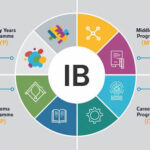
    Navigating Curriculum Choices: IB, National and Hybrid Models in International Schools

    At a recent international schools forum in Dubai, our team found ourselves huddled with a headteacher who had just flown in from Kuala Lumpur. She looked exhausted. “My board wants a decision on our curriculum pathway by next month, and I genuinely don’t know which direction to take.” Her school had outgrown its founding model, the parent demographic was shifting, and every option seemed to carry equal promise and peril. That conversation stayed with us because we’ve heard versions of it at practically every BMI workshop and education networking event we’ve facilitated. The curriculum question isn’t just academic—it’s deeply personal for school leaders who understand that this single decision shapes staffing, admissions, facilities investment, and ultimately, the futures of hundreds of young people.

    Why Curriculum Choices Keep School Leaders Up at Night

    The pressure on British international schools has intensified dramatically over the past decade. What was once a straightforward choice—replicate the English National Curriculum and prepare students for GCSEs and A-Levels—has become a complex strategic calculation. Schools must now balance the expectations of globally mobile expatriate families with the aspirations of local students who may never study in the UK. Add in the scrutiny of inspection bodies and the commercial reality of student recruitment, and you have a recipe for genuine anxiety. The Council of British International Schools (COBIS) represents over 450 member schools globally, and in our conversations with their leadership, curriculum alignment consistently emerges as a top-three concern for member institutions.

    We’ve observed a fascinating tension at our international schools forums. Expat parents often arrive with fixed expectations—they want their children to slot back into the UK system seamlessly upon repatriation, which means strict adherence to Key Stages and familiar qualifications. Local families, however, frequently prioritise international mobility and university access beyond Britain. One admissions director told us her school essentially runs two marketing narratives simultaneously, depending on which parent walks through the door. This dual expectation creates genuine strategic friction.

    British Schools Overseas (BSO) inspections, aligned with Ofsted frameworks, don’t prescribe a specific curriculum. What they do demand is coherence, documented rationale, and evidence that the chosen model delivers strong outcomes. Our team has supported schools through inspection preparation where the curriculum choice itself wasn’t questioned, but the why behind it certainly was. Inspectors want to see that leadership has made deliberate, evidence-informed decisions rather than simply defaulting to tradition. We’ve seen schools marked down not for choosing an unconventional model, but for failing to articulate their reasoning convincingly.

    The International Baccalaureate: More Than a Global Passport

    The IB has undergone a remarkable transformation in perception. Once viewed as niche and perhaps overly idealistic, it’s now firmly established as a rigorous, globally respected framework. Sevenoaks School in Kent is one of the UK’s top-performing IB schools, consistently achieving average diploma scores that place it among the world’s elite. When British international schools see a prestigious UK independent embracing the IB so wholeheartedly, it legitimises the model for their own contexts. The IB’s learner profile—with its emphasis on inquiry, open-mindedness, and principled action—resonates deeply with schools that want to move beyond knowledge transmission toward genuine intellectual development.

    During our BMI workshops, we regularly facilitate sessions where teachers from IB schools share their classroom realities. The shift from content delivery to concept-based inquiry is genuinely transformative but also genuinely difficult. We’ve seen primary teachers describe the Primary Years Programme (PYP) as liberating, allowing them to follow student curiosity while still meeting rigorous learning objectives. Secondary practitioners often speak candidly about the intensity of the Diploma Programme, particularly around Theory of Knowledge and the Extended Essay. What strikes us most is how the IB philosophy tends to permeate school culture beyond the classroom—it shapes how staff meetings are run, how behaviour policies are framed, and how schools communicate with parents.

    UCAS tariff points now place the IB Diploma comfortably alongside A-Levels, and many university admissions tutors actively praise IB graduates for their independent research skills and breadth of study. Beyond the UK, the IB’s recognition is arguably stronger. American, Canadian, and Australian universities understand the diploma intuitively, and European institutions have clear conversion frameworks. For international schools serving genuinely global cohorts, this universal legibility matters enormously. We’ve tracked university destination data from forum participant schools, and IB graduates consistently demonstrate strong placement rates across multiple national systems.

    The National Curriculum for England: Familiarity as a Strength

    There’s a reason why the majority of British international schools remain anchored to the National Curriculum for England. Familiarity breeds confidence, and for families making the leap into overseas education, the reassurance of a known system cannot be overstated. Cambridge Assessment International Education works with over 1,000 British international schools, providing qualifications that carry genuine international currency while maintaining direct lineage to the UK system. Pearson Edexcel similarly offers a comprehensive suite of qualifications that schools can deploy with confidence, knowing that moderation, standards, and recognition are well-established.

    Imagine a family relocating from London to Lagos, then Lagos to Lisbon. If each school follows the National Curriculum with IGCSEs and A-Levels, the transitions are relatively smooth. The child knows what to expect, parents understand the reporting frameworks, and learning gaps become easier to diagnose and address. This portability is the National Curriculum’s superpower. At our education networking events, expat parents frequently cite curriculum continuity as a decisive factor in school selection, sometimes ranking it above facilities or extracurricular provision. For schools, this parent preference translates directly into enrolment stability.

    The best British international schools don’t simply transplant the National Curriculum wholesale. They adapt intelligently. We’ve seen schools in the Middle East incorporate Islamic studies and Arabic language within the framework of Key Stage expectations. Schools in Southeast Asia often enrich the humanities curriculum with regional history and geography that the standard English model wouldn’t cover. The UK Department for Education’s international strategy promotes British curriculum exports precisely because it recognises this flexibility—the brand is strong, but adaptation is essential and encouraged. Schools that find this balance well report stronger local enrolment and deeper community integration.

    Hybrid Models: The Best of Both Worlds or a Muddled Middle?

    The hybrid approach has become increasingly fashionable, and for good reason. Southbank International School in London offers the full IB continuum from PYP to Diploma, demonstrating that the IB can thrive in a UK context. Many British schools abroad have adopted a model that pairs IGCSEs at Key Stage 4 with the IB Diploma at post-16, attempting to blend the content rigour of British qualifications with the holistic philosophy of the IB. The appeal is obvious: familiar, respected qualifications in the middle years, then a globally recognised leaving certificate that universities love.

    During our international schools forum discussions, certain hybrid configurations emerge repeatedly as success stories. The IGCSE-to-IB Diploma pathway is the most common, and schools report that students who have completed Cambridge IGCSEs generally transition well to the Diploma’s academic demands. We’ve also encountered primary schools that blend the National Curriculum’s literacy and numeracy frameworks with the PYP’s inquiry-led approach to broader themes. One school in Vietnam described this as “structured mornings, inquiry afternoons”—a pragmatic compromise that satisfied both traditional and progressive impulses among their parent body.

    We would be doing our readers a disservice if we didn’t acknowledge the genuine challenges. Hybrid models demand extraordinary organisational clarity. Timetabling two distinct programmes simultaneously can create logistical nightmares, particularly around assessment periods and reporting cycles. Teacher recruitment becomes more complex—you need practitioners who understand multiple systems, and those people are rare and expensive. Professional development budgets balloon as staff require training in different pedagogical approaches. We’ve seen schools abandon hybrid models not because the educational philosophy was wrong, but because the operational burden proved unsustainable.

    Making the Decision: Our Team’s Framework from Education Networking

    Through countless BMI workshops and education networking sessions, we’ve developed a practical decision-making framework that helps school leaders cut through the noise. Rather than starting with curriculum features, we encourage schools to begin with three foundational questions: Who are our students and where are they going? What are our teachers genuinely capable of delivering? And what does our community actually value? The answers to these questions often narrow the viable options considerably before any detailed curriculum comparison begins.

    Curriculum decisions made in isolation rarely stick. We’ve witnessed schools announce curriculum changes only to face parent revolts that forced embarrassing reversals. The successful transitions we’ve observed all shared one characteristic: genuine, early, and sustained stakeholder engagement. This doesn’t mean parents make the decision—educational expertise must carry weight—but it does mean their perspectives inform the process. Governors need clear evidence that due diligence has been conducted. Our framework includes structured consultation tools that we’ve refined through forum feedback, ensuring that stakeholder voice is captured systematically rather than anecdotally.

    The international schools landscape evolves rapidly. The UK Department for Education’s international strategy continues to promote British curriculum exports, but global trends suggest growing demand for internationally recognised qualifications that facilitate mobility beyond the UK. Schools must honestly assess whether their chosen model will remain relevant as student demographics shift, university admissions policies change, and new competitors enter their markets. We recommend building in formal review points—not to create instability, but to ensure the curriculum conversation stays alive and responsive.

    Conclusion

    After years of facilitating these discussions at BMI workshops and international schools forums, we’ve arrived at one conviction: there is genuinely no universal ‘best’ curriculum. The right choice depends entirely on a school’s unique community, context, and aspirations. What works brilliantly for a long-established British school in Singapore might fail completely for a newer institution in Nairobi. The schools that navigate this complexity most successfully are those that approach curriculum not as a fixed identity but as a strategic tool—one that can evolve as their community evolves. We invite you to continue this conversation with us at an upcoming BMI workshop, where school leaders facing similar decisions share their experiences, their mistakes, and their hard-won wisdom in a collegial, practical setting.

    Frequently Asked Questions

    Here are the questions we encounter most frequently at our education networking events:

    • What’s the main difference between the IB and the National Curriculum? The IB emphasises inquiry-led, concept-based learning across a broad range of subjects, culminating in the Diploma Programme with its core components of Theory of Knowledge, Extended Essay, and Creativity, Activity, Service. The National Curriculum for England provides a more structured, content-specific progression through Key Stages, typically leading to IGCSEs and A-Levels. The IB tends to develop broader skills across disciplines, while the National Curriculum often allows for earlier subject specialisation.
    • Can a school switch from one curriculum to another mid-stream? Yes, but it requires careful planning. We’ve supported schools through transitions, and the most successful ones typically phase changes in gradually—starting with a new primary intake, for example, rather than disrupting existing examination cohorts. Teacher training, parent communication, and a realistic timeline of two to three years for full implementation are essential components of any successful switch.
    • Do British international schools have to follow the National Curriculum? No, there is no regulatory requirement for British international schools to follow the National Curriculum for England. Many choose to do so because of parent expectations and the availability of established qualifications like IGCSEs and A-Levels. BSO inspections focus on the quality of educational provision and the coherence of the curriculum model, not on adherence to any specific national framework.
    • How do universities view the IB compared to A-Levels? UK universities now recognise both qualifications fully through the UCAS tariff system. Many admissions tutors express strong appreciation for IB graduates’ independent research skills and breadth of study. Internationally, the IB Diploma is arguably more widely recognised than A-Levels, with clear entry equivalencies established across North American, European, and Asian university systems.
    • What should we prioritise when choosing between curriculum models? Based on our framework, we recommend prioritising student destination data, staff capability, and community expectations in that order. Understand where your graduates actually go, honestly assess whether your teaching team can deliver the model effectively, and ensure the choice aligns with what your parent community values. The best curriculum on paper will fail if it doesn’t fit your specific context.

  • Board governance in independent schools

    Rethinking Board Governance in Independent Schools: Our Team’s Perspective

    At a recent international schools forum, we sat across from a bursar who quietly admitted something that stopped us in our tracks. His board hadn’t reviewed its committee structure since 2012. Not a typo. Over a decade of the same people, same agendas, same assumptions, while the ground beneath independent education shifted dramatically. That candid moment crystallised why we run BMI workshops across the country. Governance isn’t a dusty constitution sitting in a filing cabinet. It’s the living, breathing engine of a school’s survival, and right now, too many engines are sputtering.

    Why Traditional Governance Models Are Failing Modern Independent Schools

    We’ve watched the role of the trustee morph from ceremonial patron to strategic guardian. The Charity Commission for England and Wales has sharpened its teeth considerably, updating its guidance on trustee duties with a clarity that leaves no room for passive participation. The days of rubber-stamping the head’s report over a glass of sherry are gone. Today’s trustees must demonstrate active oversight, challenge assumptions, and anticipate risk before it crystallises. The Commission now expects trustees to be able to show they have acted with reasonable care and skill, and that means showing your working, not just nodding along.

    The ‘Governing Body vs. Operational Leadership’ Tug-of-War

    We see this tension everywhere. A headteacher feels micromanaged over a curriculum tweak, while the board feels frozen out of the school’s genuine financial health. The line between strategy and operations blurs into a grey fog. In a typical UK independent school structured as a charitable trust limited by guarantee, the governing body is legally responsible for everything, yet must delegate day-to-day management to the head. Getting that delegation right, with crystal-clear scheme of delegation documents, is the difference between a high-functioning board and a slow-motion car crash.

    When Compliance Checklists Kill Strategic Thinking

    We’ve sat through board meetings where the first 90 minutes are consumed by a compliance checklist so granular it leaves no oxygen for the big questions. Yes, fire safety audits and asbestos registers matter. But when the Independent Schools Inspectorate (ISI) framework for leadership and governance evaluates your school, they’re looking for evidence of strategic debate, not just administrative competence. A board that only talks about compliance is a board that’s managing decline, not shaping the future.

    The Essential Skills Your Board Is Probably Missing

    At our education networking sessions, we regularly ask chairs to map their board’s collective skills. The results are revealing. Most boards are heavy on the traditional three Fs: finance, facilities, and fundraising. Those remain vital, particularly given the financial pressures on independent schools due to VAT on fees and business rates relief changes that have dominated independent school business managers’ meetings. But we’re seeing dangerous gaps elsewhere.

    Beyond the Three Fs: Finance, Facilities, and Fundraising

    The VAT policy shift has turned financial planning upside down. Trustees who once felt confident reviewing annual accounts now face cash-flow modelling, sensitivity analysis, and difficult conversations about affordability. But beyond that immediate pressure, we’re noticing a startling absence of digital transformation expertise. Cyber-security isn’t an IT issue anymore; it’s a governance risk that can shut a school overnight. Similarly, HR compliance knowledge is thin on the ground. Employment law complexities, from managing underperformance to handling whistleblowing, demand board-level literacy that most governing bodies simply don’t possess.

    Safeguarding as a Whole-Board Responsibility, Not a Tick-Box

    We’re blunt about this in our workshops: if your board thinks safeguarding is the designated safeguarding lead’s job, you’re already failing. The Keeping Children Safe in Education (KCSIE) statutory guidance places explicit responsibilities on governing bodies to ensure policies are effective, staff are trained, and culture is monitored. That means trustees need to be asking uncomfortable questions about low-level concerns, not just reviewing annual audit reports. Safeguarding expertise at board level is non-negotiable, and we’d argue every board should have at least one trustee with deep, current safeguarding experience.

    Clerking as the Unsung Hero of Effective Governance

    We’ve become evangelical about the role of the clerk. In too many independent schools, the clerk is still viewed as a silent note-taker, a administrative functionary who books the room and types up the minutes. That’s a catastrophic underutilisation of talent. A skilled clerk is the board’s governance conscience, ensuring the Charity Commission’s updated guidance on trustee duties is reflected in every agenda and every decision.

    Minute-Taker or Governance Professional? Redefining the Clerk

    Effective clerking directly impacts ISI inspection outcomes. Inspectors look at minutes as a window into the board’s soul. Vague, anodyne minutes that record decisions without capturing challenge suggest a board that isn’t thinking critically. A professional clerk will advise the chair on agenda design, flag conflicts of interest before they arise, and ensure the board’s discussions demonstrate the rigorous scrutiny inspectors expect to see.

    How a Strong Clerk-Governor Dynamic Prevents Groupthink

    Groupthink flourishes in polite, homogenous rooms. A confident clerk, working in tandem with the chair, can puncture that politeness constructively. We’ve seen clerks gently remind boards that they haven’t heard from a particular trustee, or that a decision conflicts with the school’s articles of association. That dynamic, where the clerk is empowered to speak truth to power, is the single most effective antidote to the cosy consensus that leads to governance failure.

    Navigating the Regulatory Maze: ISI, DfE, and Charity Law

    Independent school governance sits at the intersection of three regulatory frameworks: the Department for Education’s statutory requirements, the Independent Schools Inspectorate’s inspection framework, and Charity Commission law. They overlap, sometimes conflict, and are constantly evolving. The updated KCSIE statutory guidance, for instance, now includes specific expectations around online safety and sexual violence prevention that boards must actively oversee.

    Aligning the Articles of Association with the New Inspection Framework

    We’ve helped schools realise their articles of association haven’t been updated since before the current ISI framework was introduced. That’s a significant exposure. The articles define the board’s powers, composition, and decision-making processes. When they’re out of step with regulatory expectations, trustees are operating on shaky legal ground. Reviewing articles isn’t a once-a-decade exercise; it’s an ongoing governance responsibility.

    The Real Cost of a ‘Notice to Improve’ for Your Board’s Reputation

    An ISI ‘Notice to Improve’ specifically targeting leadership and governance isn’t just a regulatory slap on the wrist. It’s a reputational grenade. Prospective parents read inspection reports. Competitor schools circulate them. A governance failure becomes public knowledge, undermining confidence among current families and making recruitment of both pupils and talented trustees significantly harder. The cost isn’t just regulatory; it’s commercial.

    Using the International Schools Forum to Pressure-Test Your Decisions

    This is where our BMI workshops come into their own. We’ve designed them to function as a critical friend environment, a safe space where boards can road-test their thinking before it hardens into policy. Using real scenarios drawn from UK independent school forums, we create simulations that expose the weaknesses in a board’s decision-making process.

    Why Isolation Is a Board’s Biggest Strategic Risk

    Boards that govern in isolation make avoidable mistakes. They miss the warning signs that other schools have already encountered. The international schools forum model we champion breaks down that isolation, connecting trustees with peers facing identical challenges, from the VAT-driven fee squeeze to the complexities of managing a charitable trust limited by guarantee.

    Scenario Planning: From Cyber-Attacks to Sudden Head Departures

    We run sessions that confront boards with the crises they hope never happen. A ransomware attack locks down the school’s systems on results day. The head resigns without notice amid a safeguarding allegation. A social media storm erupts over a disciplinary decision. These aren’t hypotheticals; they’ve all happened. Our workshops force boards to make decisions under pressure, revealing where communication breaks down and where leadership gaps exist.

    Building a Succession Plan That Doesn’t Rely on the ‘Old Boys’ Network’

    We need to talk about how trustees are recruited. The traditional model, a quiet word at the golf club, a tap on the shoulder from a former parent, is not fit for purpose. It reproduces the same demographics, the same professional backgrounds, and the same blind spots. Effective education networking must deliberately reach beyond those familiar pipelines.

    Term Limits and the Myth of the Indispensable Chair

    We’ve encountered chairs who have served for fifteen years and genuinely believe no one else could possibly replace them. That’s a governance red flag. The Charity Commission’s guidance encourages regular rotation to bring fresh perspectives. Term limits aren’t an insult to long-serving trustees; they’re a safeguard against stagnation and entrenched power.

    Recruiting for Cognitive Diversity, Not Just Professional Pedigree

    We’re not just talking about protected characteristics, though that matters. We’re talking about cognitive diversity: the entrepreneur who thinks in opportunities, the technologist who sees digital risks, the social worker who understands trauma-informed practice. Boards need people who think differently, not just people who look good on the letterhead. That means advertising openly, interviewing rigorously, and valuing lived experience alongside professional qualifications.

    Courageous governance isn’t about micromanaging the head or second-guessing every operational decision. It’s about creating a culture where the head can be brilliantly challenged in a spirit of mutual trust, where questions are welcomed, not feared, and where the board’s collective expertise is genuinely harnessed in service of the school’s mission. That’s the governance we help build, one workshop at a time.

    FAQ

    What is the role of the Charity Commission in independent school governance?

    The Charity Commission for England and Wales regulates independent schools that operate as charitable trusts. It sets out clear trustee duties, including the requirement to act in the charity’s best interests, manage resources responsibly, and ensure accountability. Recent updated guidance emphasises that trustees must demonstrate active oversight and be able to evidence their decision-making processes.

    How does the ISI inspection framework assess governance?

    The Independent Schools Inspectorate evaluates leadership and governance as a core part of its inspection framework. Inspectors examine whether the governing body provides effective challenge and support to school leaders, ensures regulatory compliance, and drives strategic improvement. They scrutinise minutes, meet with trustees, and look for evidence of robust, documented decision-making.

    What does KCSIE require from school governing bodies?

    Keeping Children Safe in Education statutory guidance places direct responsibilities on governing bodies. They must ensure safeguarding policies are effective, that all staff receive appropriate training, and that there is a culture of vigilance across the school. Boards should appoint a designated safeguarding governor and regularly review the school’s safeguarding arrangements, not just receive annual reports.

    How are independent schools affected by the VAT on fees policy?

    The introduction of VAT on independent school fees has created significant financial pressure. Schools must decide how much of the cost to absorb versus pass on to parents, while managing potential impacts on pupil numbers and bursary provision. This demands sophisticated financial modelling at board level and difficult strategic decisions about the school’s long-term sustainability.

    What makes BMI workshops different from other governance training?

    Our BMI workshops are built around the international schools forum model, creating a peer-learning environment where trustees tackle real scenarios alongside colleagues from other schools. We focus on practical application, using live case studies and pressure-testing exercises that simulate genuine governance crises, rather than delivering abstract theory.

  • Hello world!

    Welcome to WordPress. This is your first post. Edit or delete it, then start writing!